
Face-care formulations
Develop a defined particulate texture for facial cleansing and exfoliating concepts. Select the material against the intended use and finished-product assessment, with particular attention to particle shape and abrasivity.
SKIN CARE INGREDIENTS
Manufacturer-produced apricot kernel shell granules and powder for face, body, hand and foot-care formulation.
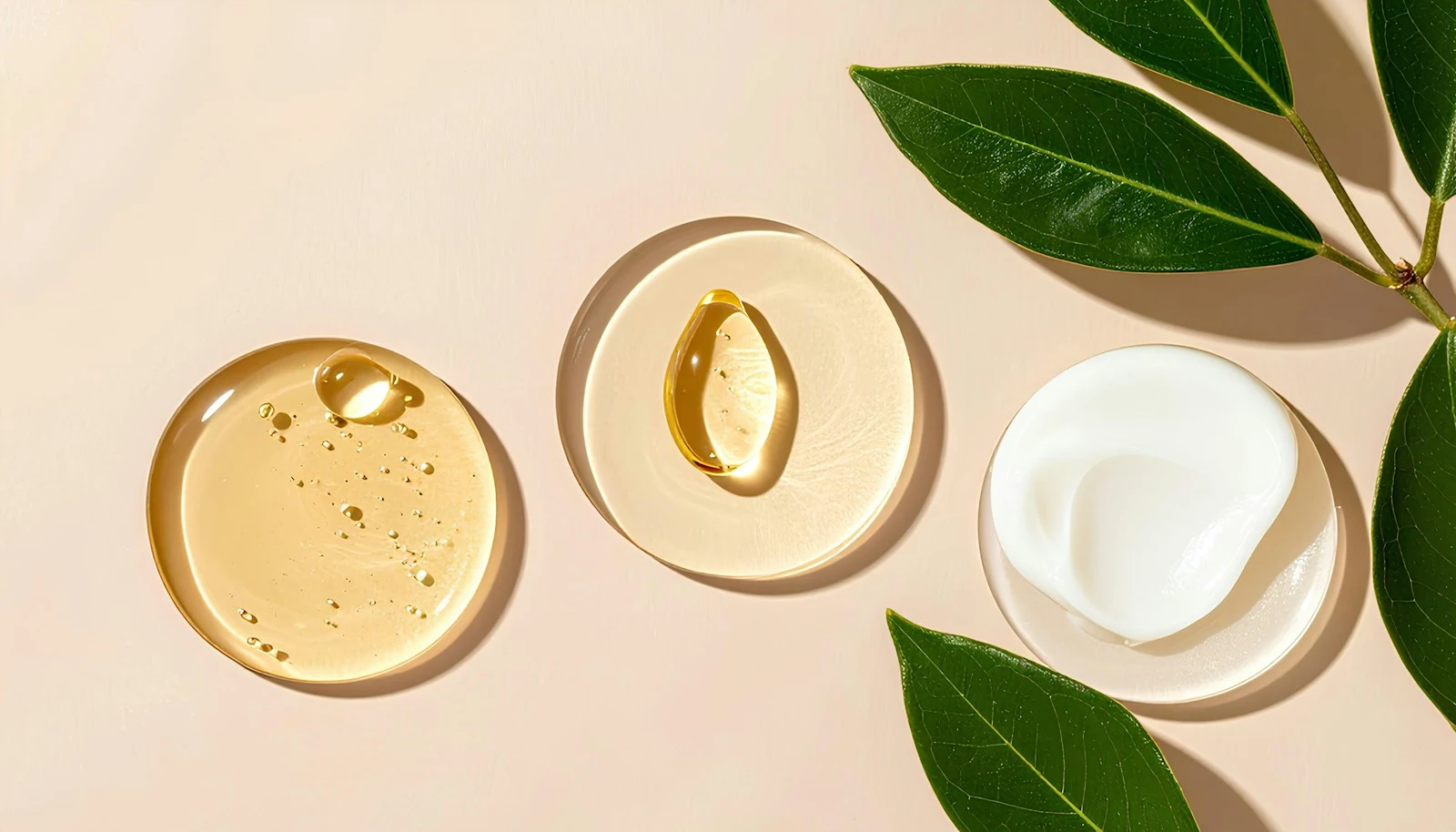
PHYSICAL EXFOLIATION. DISTINCTIVE TEXTURE.
Our apricot shell material gives formulators a plant-derived particulate ingredient to work with. Its granular appearance can become part of the visual identity and tactile experience of an exfoliating product.
Define the texture you want to create, then compare the particle character in your own formulation. We work from a clear material reference, target size range and application brief.
Prepare a skin-care enquiry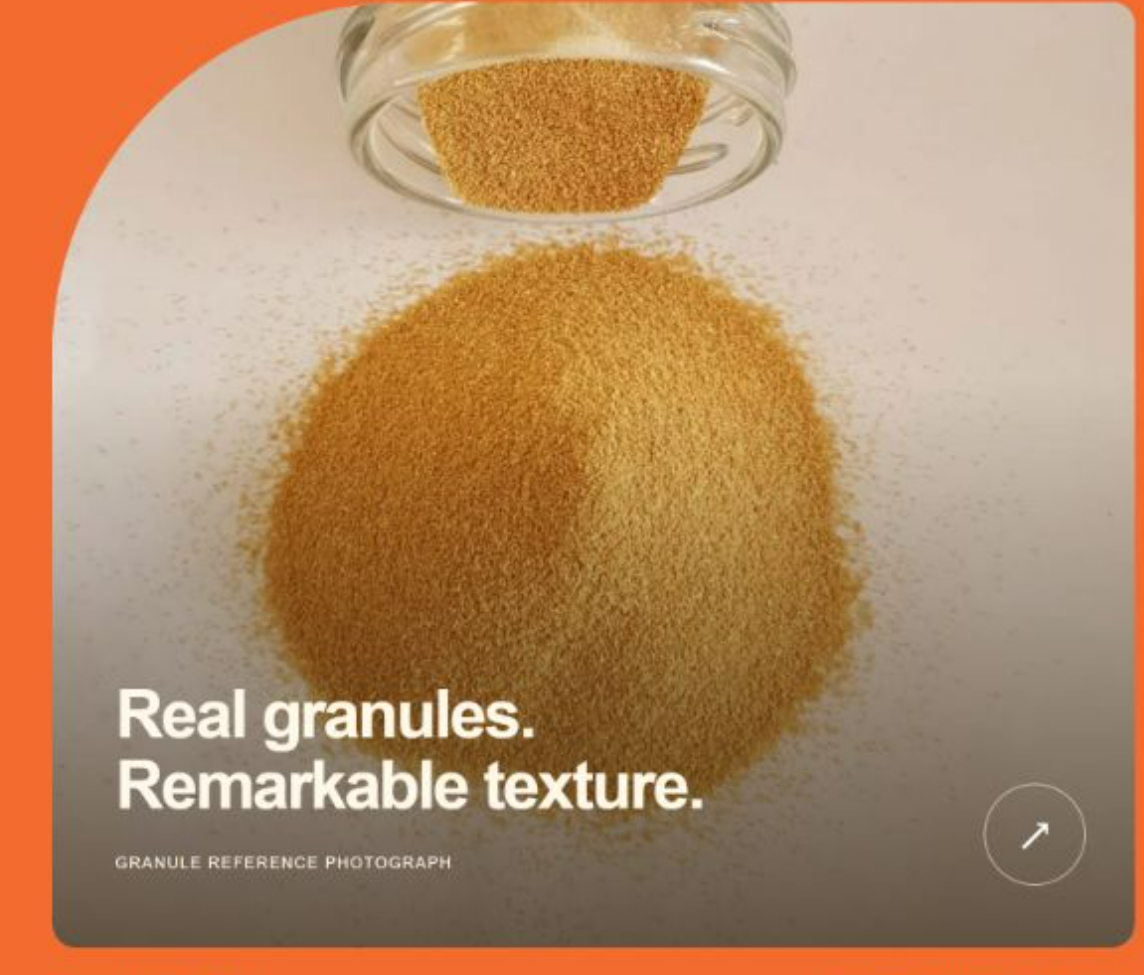
SEE THE MATERIAL
Look closer at the granular character behind the formulation. Particle visibility, colour and dispersion help shape how a scrub, cleanser or soap looks and feels.
Compare an identified sample in your own base, then connect the chosen texture with the particle specification for your application.
Explore particle sizes and textures ↗SKIN CARE APPLICATIONS
Develop a defined particulate texture for facial cleansing and exfoliating concepts. Select the material against the intended use and finished-product assessment, with particular attention to particle shape and abrasivity.
Create visible granular character in body scrubs, body polishers and rinse-off textures. Compare how the particles appear and disperse in the base, from a dense paste to a fluid cleansing system.
Explore a more pronounced tactile profile for foot scrubs and hand-cleansing formulations. Bring the intended use and target texture into the discussion so that the sample selection serves the product concept.
Add a visible particulate element to soap-bar development. Review distribution through the bar, the appearance after processing and the feel of the product during use.
Explore shell powder in dry cleansing and exfoliating product concepts. Consider wetting, dispersion and the texture after the product is combined with water or another activation medium.
Investigate fine powder where the development brief calls for a dispersed particulate character in cream-based products. Confirm the intended rinse-off or leave-on use and the appropriate grade during the technical review.
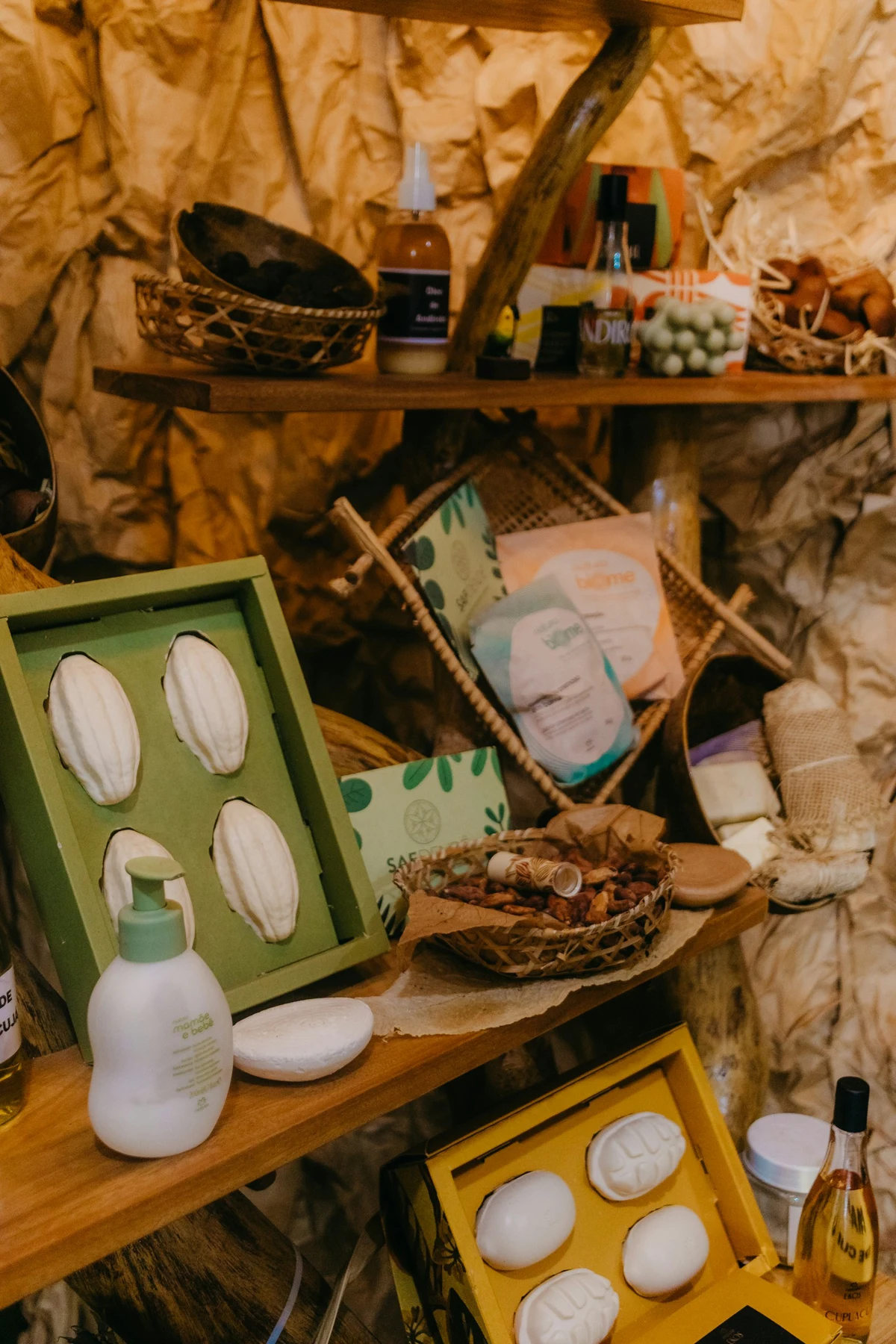
APPEARANCE. DISPERSION. FEEL.
Particle visibility and the colour of the finished base belong in the same conversation as texture. Compare the ingredient in the intended formula, packaging and processing conditions.
For a coherent apricot-themed product range, shell powder can be considered alongside separately specified apricot oils or extracts. Each ingredient has its own identity and role in the formulation.
Understand shell, kernel and oil ↗MANUFACTURER-TO-FORMULATOR
Tell us the product format, the target texture and the market where the finished product will be sold. Include any internal specification or ingredient-naming requirement.
Use consistent trial conditions to compare samples. Record the reference, size range, loading and processing notes so the selected material can be identified later.
Connect the chosen reference to its specification, SDS and relevant analytical information. Application-specific purity, microbiological and safety requirements belong in the agreed technical file.
Explore particle sizes ↗Skin feel and exfoliating performance depend on the finished formulation as well as the particles. Compare particle shape, concentration and dispersion in the intended base, then assess the finished product against your application requirements.
Our declared product identity is Prunus Armeniaca Seed Powder, CAS 68650-44-2. Match the selected reference with the current technical documentation for your project.
Use the formulation checklist ↗FROM MATERIAL TO POSSIBILITY
Bring your application, target particle size and quantities. Build a clear sample or bulk enquiry.